You sit down to draw because you feel like drawing. For a while, choosing colours and putting something on paper is enjoyable. Then you look at the result and think, “I am really not very good at this.” Suddenly, that seems like a reason to stop.
Perhaps you have had a similar experience with singing, dancing, gardening or playing a sport. Something interests you, but you hesitate because you don’t think you have the talent to justify spending time on it. It is worth questioning that assumption. What would you enjoy doing if being good at it wasn’t a requirement? The answer might bring something welcome back into your life.
When Enjoyment Becomes a Test
We get used to being assessed. At school, our work receives marks, and in our jobs, performance matters. When we put effort into something, we are encouraged to look for progress and results. Those expectations can follow us into our free time. A walk becomes a distance to beat. Baking becomes another skill we feel obliged to master. Taking photographs becomes discouraging when we compare our pictures with the polished images we see on social media.
Wanting to improve is understandable. The difficulty comes when we decide an activity only deserves our time if we are improving. We might say, “I would love to try that, but I would be terrible.” Underneath that statement can be embarrassment, fear of judgement or the assumption that we need some natural ability before we can enjoy taking part.
Being inexperienced can feel uncomfortable, especially when we are used to feeling capable elsewhere. But we can allow that discomfort without treating it as evidence that we shouldn’t participate. We can also question the reassurance we give beginners: “Keep going and one day you will be good.” Maybe you will. Maybe you will remain fairly average. You can have years of enjoyment either way.
Why I Still Play Computer Games
One thing I enjoy is playing computer games, although how regularly I play varies. I no longer spend hours and hours playing like I sometimes did when I was younger, but I still find it a lot of fun. I enjoy racing games, first-person shooters and old-school beat ’em ups.
I am not all that great at some games, and I am okay at others. I like improving and playing well, so there is certainly satisfaction in getting better. That just isn’t my main reason for playing. Above all else, I play because I enjoy it.
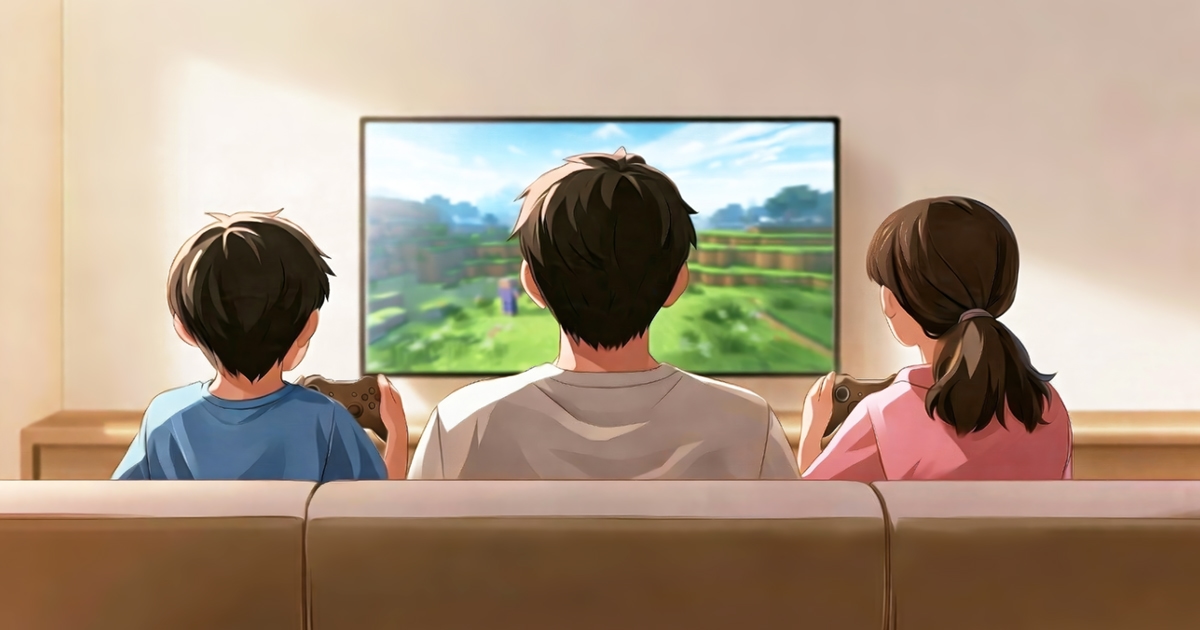
My kids like playing too, and sometimes we play together. That is great fun and another part of the experience I value. For me, gaming is an outlet where I can enjoy playing without needing an achievement or a useful outcome to justify the time.
As someone who writes about personal development, I appreciate having that space. I value growth, but I also value being able to enjoy an activity without turning it into another project. The game can involve goals, competition and effort. My reason for sitting down to play can remain as simple as wanting to have some fun.
The Experience Has Value Before the Result
Psychologists use the term intrinsic motivation to describe doing something for the interest or enjoyment within the activity itself. The experience is rewarding while we are having it. Think about singing along to a favourite song. You can enjoy the music, the words and the feeling of joining in even if your voice wouldn’t impress an audience.
In a small Drexel University study of creative activities, researchers explored brain activity during colouring, doodling and drawing. Lead researcher Girija Kaimal explained: “This shows that there might be inherent pleasure in doing art activities independent of the end results.” Her observation offers a useful starting point for our own reflection: what did we enjoy while we were doing it?
Perhaps working with clay held your attention. Perhaps a casual game gave you an enjoyable afternoon with friends. The finished pot or final score captures only part of what happened. Paying attention to these small moments of enjoyment can help us recognise value we might overlook when we assess everything by its outcome. There is room for pride in a good result too. We simply have more ways to appreciate the experience when the result isn’t our only measure.
Your Hobby Can Stay a Hobby
Enjoying something can quickly attract suggestions about what you should do with it. “You could sell those.” “You should start a channel.” “Have you thought about entering a competition?” These suggestions may be well meant. Turning an interest into paid work or pursuing a challenge can be fulfilling when it is something you want.
But earning money from a hobby can bring customers, deadlines and expectations. Sharing publicly can bring pressure to keep producing. Before taking that step, it helps to consider whether those additions would suit the experience you currently enjoy. You can choose to bake for your household, take photographs for yourself or play an instrument without performing for others.
Even without an audience, we can feel obliged to make our leisure useful. Research described by Ohio State University researcher Selin Malkoc found that people who viewed leisure as wasteful tended to enjoy it less. In one experiment, participants who read that leisure was wasteful or unproductive enjoyed a short game of Tetris less than those who read about an unrelated topic.
That finding makes me think about the expectations we bring to our downtime. If we keep evaluating whether an activity is worth doing, how much room have we left to enjoy it? Fun can belong in a life with responsibilities without needing to improve our productivity afterwards.
Make It Easier to Play
If you have become accustomed to measuring everything, giving yourself permission to enjoy something may feel unfamiliar. You can start with one activity you are curious about, or something you stopped doing because you decided you weren’t good enough. Choose a version that feels approachable. Use the materials you already have, try a casual session or play at a difficulty level you enjoy. You can start small without deciding whether it will become a lasting hobby.
The people you share an activity with can make a difference too. A friend who enjoys a relaxed game may make it easier to participate than someone who offers frequent corrections. In a class, look for an atmosphere where questions and mistakes are welcome. If you want advice, ask for it. If you would prefer to experiment for a while, you can say so.
When comparison appears, try noticing what it leaves out. “That person is better at this than I am” may be true. It doesn’t tell you whether you enjoyed yourself or want to try again. You can keep some activities private too. A sketch can stay in a notebook. Sharing is an option, but you don’t need feedback on everything you do.
Allow your interest to vary as well. You might enjoy something for a few weeks, leave it alone for a while and return when you feel like it. A hobby doesn’t need an uninterrupted streak to remain part of your life. If learning a technique adds to the fun, explore it. If tracking your progress makes the activity feel like homework, you can put the tracking aside.
Starting an activity doesn’t mean you have to keep doing it. If you discover that you don’t enjoy it, that is useful to know. Giving yourself room to play also means being free to pause or try something else that interests you.
Let Enjoyment Be Enough
There may be something you have been putting off because you can’t see yourself becoming particularly good at it. Perhaps something you once enjoyed became harder to approach after you started judging every attempt. Consider giving it another go without making a promise about where it will lead.
For me, playing computer games is a reminder that I can care about doing well and still enjoy myself without needing to achieve anything beyond the game. Your version might involve a paintbrush, a ball, a musical instrument or something else entirely. You can make room for it because you like the experience. You don’t have to become impressive to keep coming back.


