Your home can’t remove every source of stress, but it can give you a more comfortable place to return to. A calmer living space doesn’t need to be large, perfectly organised or professionally styled. It simply needs to support the way you live. A few thoughtful adjustments to light, clutter, routines and comfort can reduce everyday friction and make it easier to rest, focus and enjoy your surroundings.
Reduce Visual and Practical Friction
Clutter can make a room feel busier and everyday tasks more demanding. A 2025 study of home clutter and mental wellbeing involving 501 adults found that greater clutter was associated with lower psychological wellbeing and more negative emotions. As the research was cross-sectional, it doesn’t prove that clutter directly causes poorer wellbeing, but it does suggest that the way we experience our surroundings can matter.
There is no need to clear an entire room at once. Start with a surface you use regularly, such as the kitchen bench, bedside table or desk. Removing items that don’t belong there can make the space easier to use straight away. If sorting possessions feels emotionally or physically tiring, try one drawer or a 10 minute reset. A more manageable approach to decluttering can help you make progress without turning the task into another source of pressure.
Work with Natural Light and Greenery
Opening curtains or blinds in the morning is one of the simplest ways to change how a room feels. Natural daylight also plays a role in alertness, sleep and mood. Research involving adults in Chicago found that greater exposure to natural daylight was associated with a more positive mood, independently of physical activity. If your home receives limited sunlight, sitting near the brightest window or stepping outside for a short period may help.
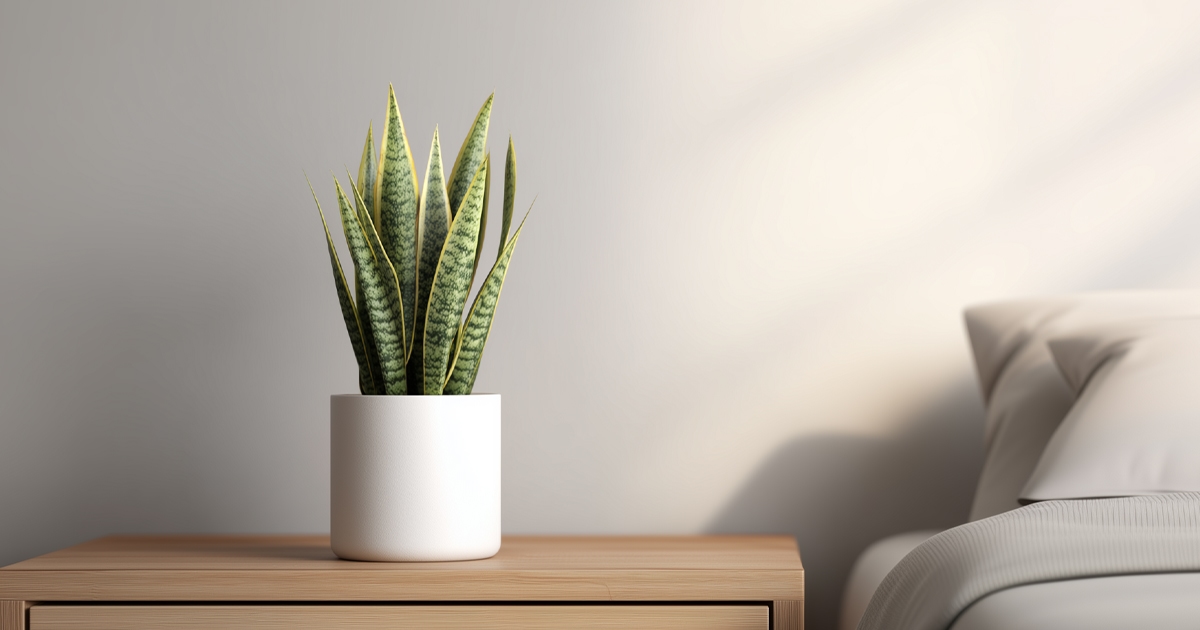
Indoor plants can bring colour and a sense of life into a room without requiring a major redesign. A University of Melbourne review of indoor plant research found that seeing greenery may support positive feelings and greater satisfaction with indoor spaces. One low maintenance plant, a small pot of herbs or even a view of outdoor greenery may be enough to soften an otherwise plain area. Choose plants that suit your available light, household and willingness to care for them.
Make Daily Routines Easier
A calmer home is often less about decoration and more about reducing repeated frustrations. Keep frequently used items close to where they are needed. A tray near the door can hold keys and sunglasses, while a laundry basket placed where clothes tend to gather can make tidying more natural. The best household system isn’t necessarily the neatest one. It is the one that makes everyday life easier for the people who live there.
Short routines can also stop small tasks from becoming mentally heavier. You might wipe the kitchen bench after dinner, return a few items to their places before bed or choose one regular time for household maintenance. If evenings tend to feel rushed, a gentle evening routine can help create a clearer boundary between activity and rest.
Choose Comfort That Feels Personal
There is no universal colour, scent or sound that makes everyone feel calm. Some people prefer muted colours and quiet rooms, while others feel more comfortable with warm tones, familiar music or the sound of everyday household activity. Pay attention to what helps you relax rather than following a rule about how a peaceful home is supposed to look.
Comfort can come from simple details such as clean bed linen, a supportive cushion, softer lighting or a throw within easy reach. A familiar scent may feel welcoming, although fragrance is entirely optional and should be kept mild if anyone in the household is sensitive to it. The aim is to make the space feel pleasant to use, not merely attractive to look at.
Create a Small Place to Pause
If possible, choose one chair, corner or section of a room where you can briefly step away from work and household demands. Keep it simple with comfortable seating, suitable light and perhaps a book or journal. In a small or shared home, the space doesn’t need to be permanently reserved. Even putting away a laptop or clearing one end of the table can help mark a change from work to personal time.
Start with one adjustment that addresses something you regularly notice. It might be a crowded bench, a dark room or the daily search for misplaced keys. A calmer home isn’t created through perfection. It grows from practical choices that help your surroundings feel more supportive, comfortable and easier to live in.
First published: 24 November 2025
Last updated: 20 July 2026


