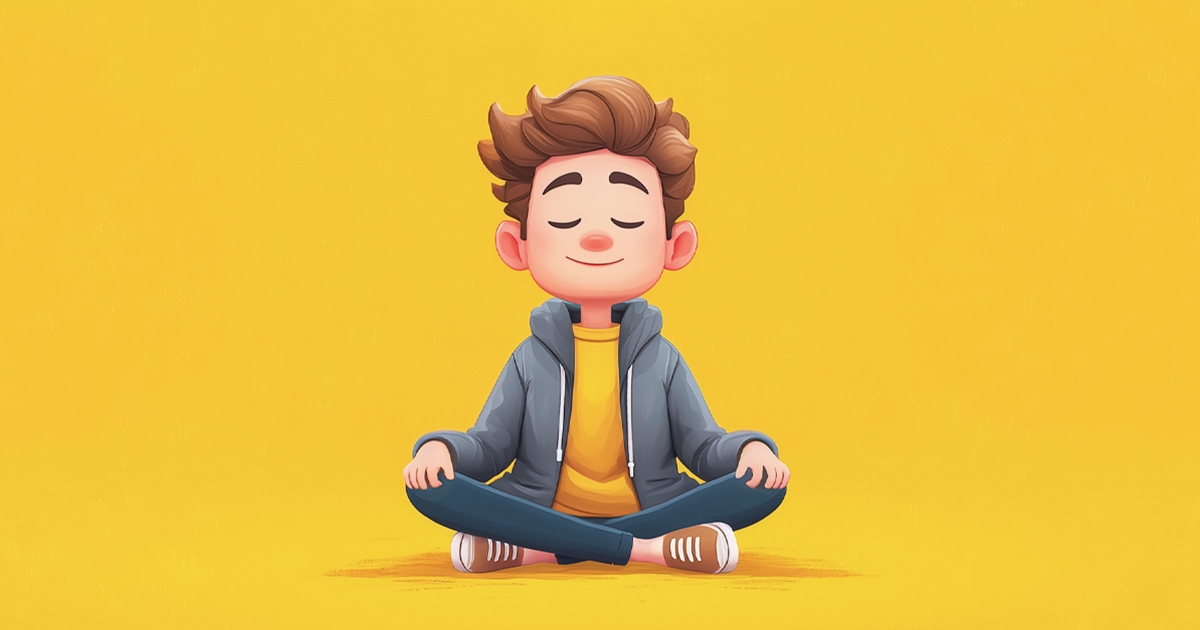
Life moves quickly. Some days you have time for a long walk or a guided meditation, and other days you might only have five minutes between tasks. Mindfulness does not have to be complicated or long to be helpful. Simple, short practices that can be done anywhere can help you notice what is happening inside and around you, reduce stress and sharpen focus. The aim is not to stop thinking, it is to create small pockets of calm that make the rest of your day easier to handle.
Simple Breath Practices
The easiest place to start is your breath. Sit or stand comfortably and take three slow, deliberate breaths. Notice where the breath moves in your body, whether that is your chest, your ribs or your belly. If your mind wanders, gently bring attention back to the breath. Doing this for one or two minutes can reduce tension and help you come back to the present.
A slightly longer option is the three minute breathing space which has three steps. First, widen your awareness to notice what you are feeling, then focus on the breath, and finally open your awareness again to the body as a whole. Evidence shows that short, focused breathing practices like these can produce measurable benefits for attention and emotional regulation.
Grounding with the Senses
When you are somewhere busy, use your senses to ground yourself. Name five things you can see, four things you can touch, three things you can hear, two things you can smell, and one thing you can taste. This quick “5-4-3-2-1” exercise moves attention away from worrying thoughts and into the present moment. It is discreet and works well when you are in public, at work or on public transport.
Another simple technique is to focus on a single object for a minute. It can be a cup of tea, a leaf on a tree or even the pattern on your sleeve. Observe the details without judging them. This trains your mind to settle and improves your ability to concentrate later.
Mindful Movement
Mindfulness does not always mean sitting still. While walking between meetings, notice each footstep and how your weight shifts. When you climb stairs, pay attention to each step and the sound of your breath. Stretching for a minute or two while focusing on the sensations in your muscles is also a form of mindfulness. These small moments help anchor the body and mind and make transitions in your day smoother.
Use Short Guided Practices
If you prefer a guided prompt, there are many brief audio guides and apps that offer one to five minute mindfulness exercises. A short guided session can be especially useful when you are new to mindfulness, as it gives structure and language to what you are doing. Research suggests that even brief guided meditations can reduce stress and improve mood, making them a practical option for daily life.
What the Research Says
Scientific studies show mindfulness-based approaches are beneficial for mental health. A large meta-analysis found that mindfulness-based therapy is effective for reducing anxiety, depression and stress across many different groups of people. Short, targeted mindfulness exercises have also been shown to improve attention and reduce the experience of pain in controlled studies. These findings suggest that small, regular practices can have meaningful effects.
Make It Part of Your Day
The most useful mindfulness practice is the one you will actually do. Try linking a tiny habit to something you already do. For example, practise three mindful breaths before you open an email, or do the five senses exercise while waiting for the kettle to boil. Treat these moments as experiments. If one technique does not suit you, try another. Consistency matters more than length.
Finally, be gentle with yourself. Mindfulness is not about perfection. It is about noticing where you are and allowing small pauses that help you respond rather than react. Over time, those brief moments add up and make everyday life feel steadier and more manageable.


