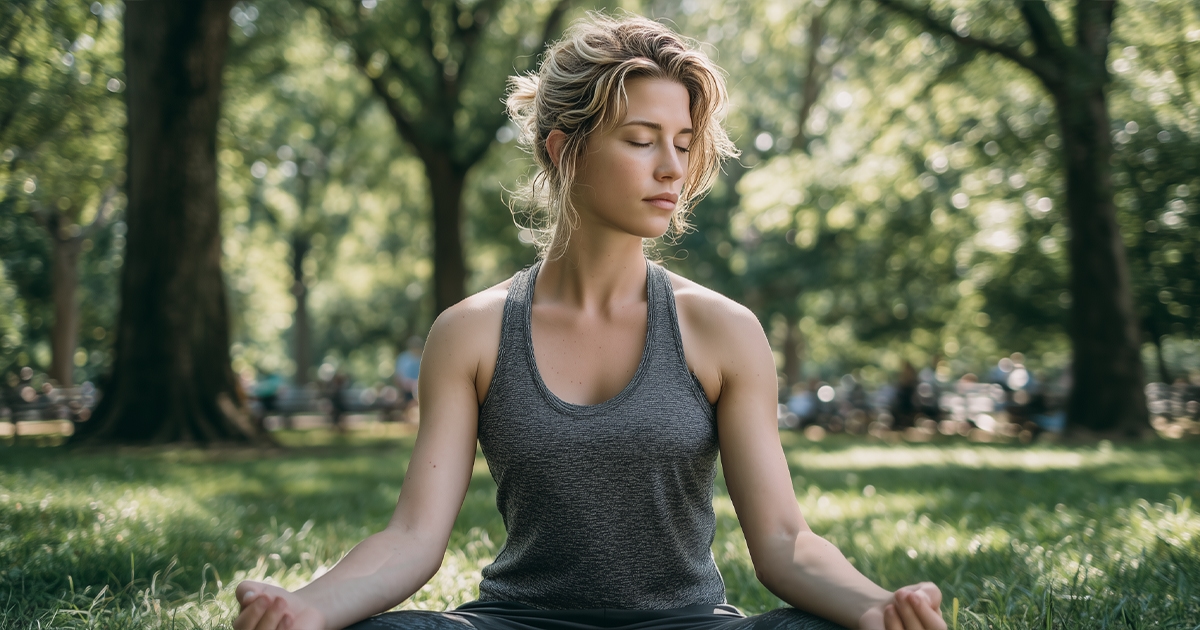
Mindfulness can sound like one more task to fit into an already crowded day. In practice, it can be much smaller: noticing the first sip of tea, feeling your feet on the floor before a conversation, or recognising that your attention has drifted and choosing where to place it next.
These exercises are not promises of instant calm, and you don’t need to force yourself to enjoy them. Think of them as short experiments in paying attention. Some may suit you better than others, and a distracted mind doesn’t mean you are doing anything wrong.
What Mindfulness Means Here
Mindfulness involves deliberately noticing what is happening within and around you, with curiosity and less judgement. Thoughts, emotions, physical sensations and sounds can all become objects of attention. The aim isn’t to clear your mind, suppress a feeling or hold your focus perfectly. It is to notice your experience and return when your attention wanders.
The Mayo Clinic’s overview of mindfulness exercises also explains that mindfulness can be practised while sitting, standing, walking or completing an everyday task. That flexibility makes it easier to adapt the practice to ordinary life, although different approaches may suit different people.
The research deserves similar care. A systematic review of 136 randomised controlled trials found average improvements in measures of anxiety, depression, distress and wellbeing compared with no intervention in many, but not all, settings. The researchers found no clear evidence that mindfulness-based programs were better than other active approaches. These findings relate to structured, teacher-led programmes, not to the effects of a single brief exercise.
Simple Exercises to Explore
1. Follow the Natural Breath
Sit or stand in a position that feels comfortable. Notice one place where you can feel your breathing, perhaps at the nostrils, chest or abdomen. Let the breath follow its usual rhythm rather than trying to make it deeper or slower.
Stay with three to five breaths. When you notice that your attention has moved to a thought, acknowledge it and return to the next breath. If focusing on breathing feels uncomfortable, use a sound in the room or the contact of your feet with the floor instead.
2. Use the Senses as an Anchor
Choose one sense and notice what it is receiving. You might listen for the nearest sound and then the furthest, study the colour and shape of an object, or feel the temperature of a mug in your hands.
There is no need for the experience to be pleasant. The exercise is simply to notice a few details and gently return when your attention drifts. External sights and sounds can be a useful alternative when paying attention to thoughts or body sensations feels too intense.
3. Give One Routine Your Attention
Select an ordinary activity such as brushing your teeth, folding laundry or preparing a drink. For part of the task, set aside other input and notice the movements, sounds and physical sensations involved.
Your mind may plan, remember or rehearse a conversation while you do this. That is normal. Each time you notice, bring your attention back to the part of the activity happening now. Even 30 seconds can offer an opportunity to practise returning.
4. Name What Is Present
Pause and identify one thought, one emotion and one physical sensation. You might notice, “I am thinking about tomorrow”, “frustration is here” and “my jaw feels tight”. Use plain descriptions without trying to explain everything immediately.
Naming an experience doesn’t solve it, dismiss it or prove that your interpretation is correct. It can simply help you separate what you are noticing from the reaction that might otherwise follow automatically.
5. Pause Between Tasks
When one task ends, take a brief pause before beginning the next. Feel your posture, notice one breath and ask, “What needs my attention now?” If an unfinished thought is adding to your mental clutter, write it down before moving on.
I have found these small transitions more useful when I don’t treat them as another performance measure. The pause doesn’t need to make you calm to be worthwhile. It may simply help you enter the next task with a little more awareness.
When a Practice Doesn’t Feel Helpful
Mindfulness won’t feel helpful or appropriate for everyone in every situation. For some people, turning attention inward can bring uncomfortable thoughts, memories or sensations into sharper focus. If this happens, you can stop, open your eyes, look around the room, move your body or choose an external anchor.
Healthdirect Australia’s mindfulness guidance advises stopping and speaking with a doctor if the practice causes discomfort. These brief exercises are general wellbeing practices and are not intended to replace professional assessment, treatment or support.
Keep It Small Enough to Use
You don’t have to complete all five exercises or practise for a particular number of minutes. Choose one approach that feels manageable and try it in a familiar part of your day. Notice what effect it has, if any, rather than judging it only by whether you feel relaxed afterwards.
Mindfulness is less about maintaining perfect attention than recognising when your attention has moved and deciding where to place it next. That return can be brief, imperfect and quietly useful.
First published: 14 February 2025
Last updated: 6 August 2026


