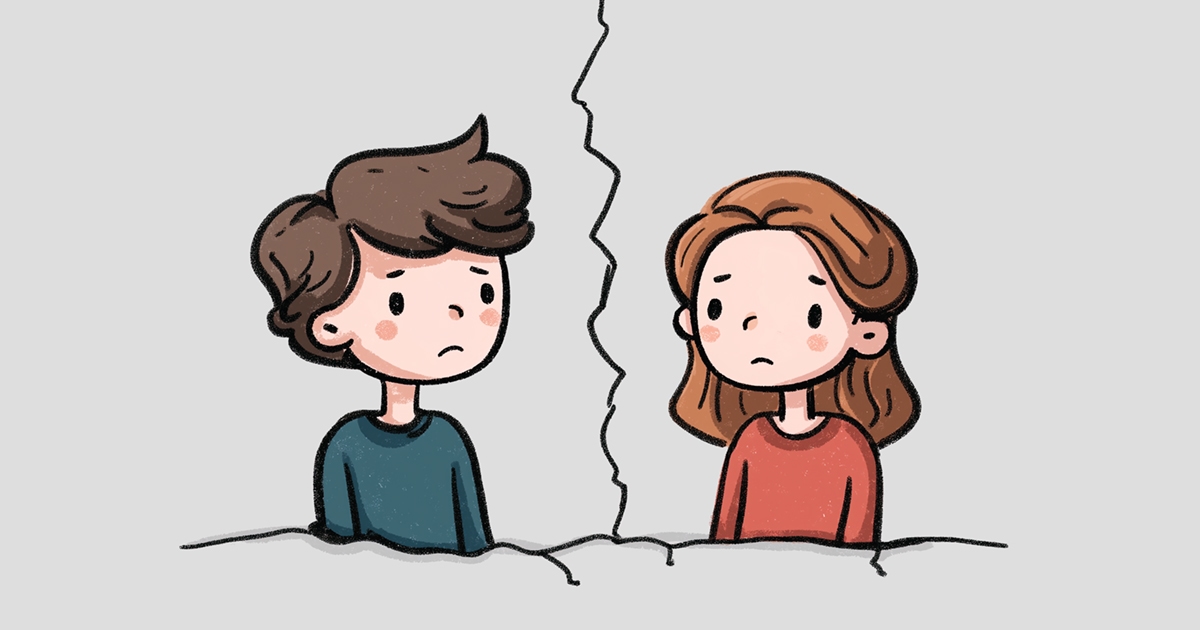
Most of us know the uncomfortable feeling of saying something we wish we could take back.
It may happen in the middle of an argument, a tense conversation, or a moment when stress is high and our patience is thin. It may come out as a hurtful comment, an unfair accusation, a defensive response, or a sentence shaped more by pain than truth. Then, when the emotion settles, we replay the conversation and wonder why we said it that way.
I have been there myself. There have been times during difficult conversations when emotion has taken hold and I have said things I later regretted. Afterwards, I have mentally beaten myself up, wishing I had kept my composure and not said things I never would have said with a clearer head.
That regret can feel heavy. But it can also become an opening. When handled with honesty, humility, and care, a painful moment doesn’t have to define the relationship. Whether it happens with a partner, family member, friend, colleague, or someone else in your life, repair isn’t about pretending the words didn’t matter. It’s about taking responsibility for them, listening to their impact, and showing through your next actions that the relationship matters more than your pride.
Pause Before You Try to Fix Everything
When we realise we have hurt someone, the instinct can be to rush in and make the discomfort disappear. We may want to apologise immediately, explain ourselves, ask for reassurance, or convince the other person that we didn’t mean it.
But repair usually begins with a pause.
This doesn’t mean avoiding the issue. It means giving yourself enough space to come back with care instead of panic. If you are still emotionally charged, your apology may become defensive, rushed, or focused more on easing your guilt than understanding their hurt.
A simple pause might sound like:
“I know I said something hurtful. I need a little time to calm down, but I want to come back and talk about it properly.”
This kind of pause can prevent the conversation from getting worse. It also signals that you are not trying to escape responsibility. You are trying to return to the conversation with more maturity than you had in the moment.
Own What You Said Without Diluting It
A meaningful apology starts with ownership. Not perfect wording. Not self-punishment. Just honest responsibility.
It can be tempting to soften what happened with phrases like “I’m sorry if you were offended” or “I only said that because you upset me.” But those kinds of apologies can leave the other person feeling as though you are shifting the focus away from what you did.
A more honest apology might sound like:
“I’m sorry I said that. It was unfair and hurtful. I let my emotion take over, and I can understand why it upset you.”
This doesn’t mean you are accepting blame for the whole conflict. It means you are taking responsibility for your part in it.
An American Psychological Association podcast explains that apologies can help heal relationships, but they are often difficult because they require vulnerability. That’s part of what makes them meaningful. A sincere apology asks us to put the relationship ahead of our need to appear right, calm, or faultless.
Listen to the Impact, Not Just the Intention
One of the hardest parts of repair is accepting that our intention doesn’t erase our impact.
You may not have meant to hurt the other person. You may have been stressed, overwhelmed, tired, or reacting from a place of fear. Those things may explain the moment, but they don’t automatically repair it.
The other person may still need to say:
“That really hurt me.”
“I felt attacked.”
“It made me feel like you don’t respect me.”
When this happens, try not to interrupt with your explanation too quickly. Listen first. Let them tell you what your words did from their side of the conversation.
You might say:
“I can hear that it hurt more deeply than I realised.”
or:
“Thank you for telling me. I don’t want to dismiss that.”
This kind of listening can be uncomfortable because it asks us to sit with the consequences of our words. But it also gives the other person something important: the feeling that their hurt is being taken seriously.
Explain Without Excusing
There may be a place for context. Perhaps you were under pressure. Perhaps the conversation touched an old insecurity. Perhaps you felt misunderstood and reacted poorly.
Sharing that context can help the other person understand what happened, but it shouldn’t become a way of excusing the hurt.
There is a difference between:
“I said that because I was stressed, so you shouldn’t take it personally.”
and:
“I was feeling overwhelmed, but that doesn’t make what I said okay.”
The second version gives context without removing responsibility.
Healthy repair often requires both honesty and restraint. You can explain what was happening inside you without making the other person responsible for your reaction. That balance helps rebuild trust because it shows that you are willing to understand yourself without blaming them for your behaviour.
Ask What Repair Would Look Like
Sometimes we assume that saying sorry is enough. Sometimes it is. Other times, the person may need something more specific.
They may need reassurance. They may need time. They may need you to stop making a certain kind of comment. They may need a calmer conversation about the issue underneath the conflict.
You could ask:
“What would help you feel heard right now?”
or:
“Is there something I can do differently next time that would help us avoid this happening again?”
This doesn’t mean handing over all control or trying to earn forgiveness through people-pleasing. It means being open to understanding what repair actually requires.
Relationships Australia NSW notes that meaningful apologies can be complicated when we add caveats, shift blame, deflect, or make the apology tokenistic, which is why genuine accountability matters in moments of conflict. Their advice on how to apologise sincerely is a helpful reminder that repair isn’t just about saying the right words. It’s about being willing to face the harm with care.
Change the Pattern, Not Just the Mood
A good apology can ease tension, but lasting repair comes from changed behaviour.
If you often say things you regret when you are angry, stressed, or defensive, it may be worth looking at the pattern underneath the moment. Do you speak too quickly when you feel criticised? Do you raise your voice when you feel unheard? Do you use harsh words when you are trying to protect yourself?
This isn’t about shaming yourself. It’s about learning your warning signs.
You might notice:
“I become sarcastic when I feel cornered.”
“I make sweeping statements when I’m hurt.”
“I keep arguing when I actually need a break.”
Once you can see the pattern, you can create a better response. You might agree to pause difficult conversations when either person feels overwhelmed. You might practise saying, “I need a moment before I respond.” You might return to the issue later when you can speak with more care.
The UK’s NHS highlights that relationship conflict can affect mental wellbeing and that healthy relationships are supported by communication, boundaries, and knowing when to seek help. Its guidance on maintaining healthy relationships and mental wellbeing is a useful reminder that repair isn’t only about one conversation. It’s also about how we keep showing up in the relationships that matter to us.
Forgive Yourself Without Letting Yourself off the Hook
Regret can be useful when it helps us grow. It becomes harmful when it turns into endless self-attack.
After saying something hurtful, it’s natural to feel disappointed in yourself. But mentally beating yourself up doesn’t necessarily make you more accountable. Often, it keeps you focused on your shame instead of the other person’s experience and the repair that’s needed.
A healthier response is:
“I don’t like how I handled that. I need to apologise, understand the impact, and do better next time.”
That kind of self-honesty leaves room for growth. It doesn’t minimise the hurt. It also doesn’t trap you in the belief that one poor moment defines who you are.
You can be responsible without being cruel to yourself. You can regret your words without deciding you are a bad person. You can use the discomfort as a signal to become more thoughtful, not as proof that you are beyond repair.
When Repair Needs More Support
Some relationship wounds are deeper than one regretted sentence. If the same conflicts keep happening, if apologies are not followed by change, or if conversations often leave someone feeling dismissed, unsafe, or emotionally drained, extra support may be helpful.
That support might look different depending on the relationship. It could mean having a more honest conversation, setting clearer boundaries, taking some space, seeking advice from someone you trust, or speaking with a counsellor or mediator if the relationship is especially important or difficult to navigate.
It’s also important to recognise that repair should never mean accepting ongoing harmful behaviour. If someone repeatedly hurts you, refuses to take responsibility, or makes you feel afraid to speak honestly, the priority may not be repairing the relationship at any cost. It may be protecting your wellbeing and deciding what level of closeness is healthy.
Let Your Next Response Reflect Who You Want to Be
Saying something you regret can leave you feeling exposed. It can remind you that you are still learning how to handle emotion, pressure, hurt, and conflict.
But a painful moment can also become a turning point.
The words you said may have mattered, but so does what you do next. You can pause. You can apologise without defensiveness. You can listen to the impact. You can change the pattern. You can show the other person that their hurt matters and that the relationship deserves more care than the conflict received.
Repair doesn’t make the past disappear. It does something more honest than that. It takes what happened seriously and chooses to respond with humility, courage, and care.
That’s how trust begins to rebuild. Not through perfection, but through the willingness to return, take responsibility, and become someone others can feel safer trusting.


