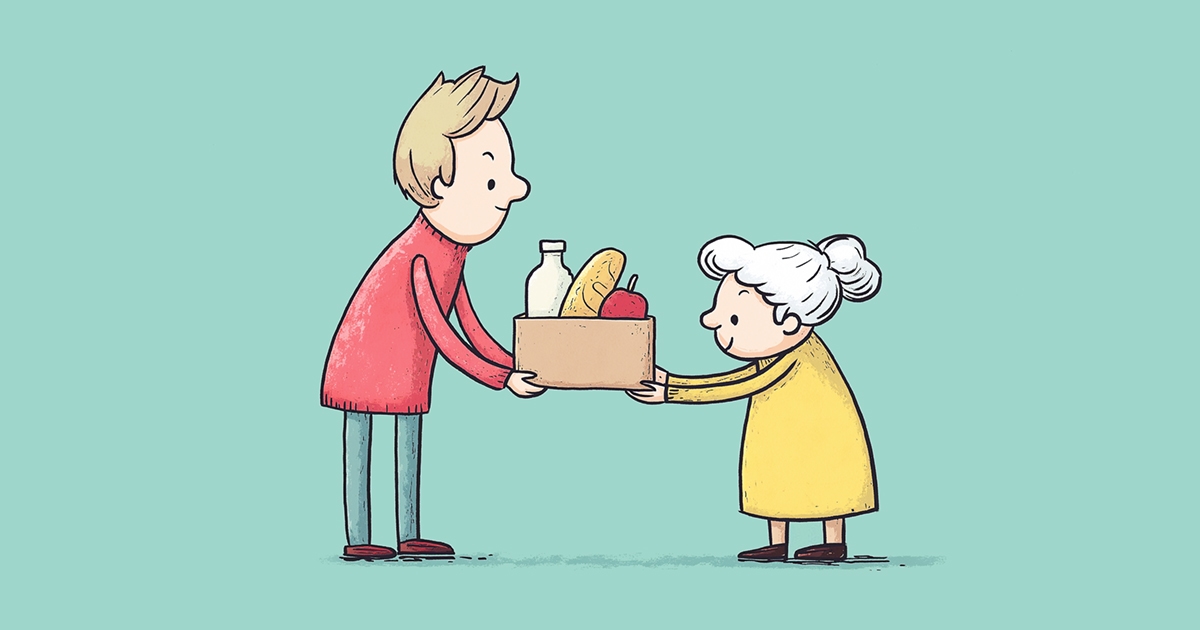
Someone drops a few things, and you stop to help pick them up. You hold a door for a person whose hands are full. The moment passes, but there can be a little satisfaction in knowing you made something easier.
I find it rewarding to know that something I have done has helped someone else. Even a small gesture can matter, whether it is for someone close to us or a person we may never see again.
Giving back includes donations and volunteering, but it also has a place in these ordinary exchanges. The pleasure of helping can sit alongside something we all benefit from: making the places we share more considerate and welcoming.
What I Noticed in Japan
During my visits to Japan, I was struck by the consideration and respect I encountered. Seeing and experiencing that care added to my enjoyment of being there. It made me think about how much the way we treat one another shapes our experience of a place.
My perspective as a visitor is limited, and people’s experiences will differ. What stayed with me was the value of being conscious of how our actions affect others. I would welcome more of that at home in Australia, including in my own behaviour.
Everyday courtesy and organised giving take different forms, but both ask us to consider someone else’s experience alongside our own. We can do that through the help we offer and the small inconveniences we take care to prevent.
How Giving Can Support Happiness
Giving can be satisfying when we care about what we are doing and can see that it helps. It may bring enjoyment, a welcome conversation or a connection to a cause that matters to us.
The World Happiness Report 2025 analysis of caring and sharing highlights three conditions that can strengthen the wellbeing benefits of giving: social connection, freedom to choose and a clear positive impact. It also found that expecting kindness from others, such as believing a lost wallet would be returned, was associated with higher life satisfaction.
This doesn’t establish that expecting kindness causes greater happiness. It does suggest that our sense of the community around us deserves attention alongside the pleasure of an individual good deed.
For me, that is an encouraging reason to be considerate. A helpful response can make an encounter more pleasant and may leave someone feeling more comfortable approaching others.
Small Contributions Can Create Opportunities to Connect
A community includes people we recognise without knowing well: a neighbour, a colleague from another team or someone we regularly see at a local activity. Helping can give us a natural reason to speak to them.
In a University of British Columbia study of kindness and loneliness, more than 200 adults experiencing some loneliness were asked to perform an extra daily act of kindness or take a daily self-care break for two weeks. The researchers reported greater reductions in loneliness with kindness, particularly among those who began with higher levels of loneliness or social anxiety.
Acts directed towards acquaintances, neighbours and colleagues appeared especially helpful. The benefits varied, so helping shouldn’t be treated as a guaranteed way to feel less lonely.
You might begin with someone just outside your closest circle. Offer to collect a neighbour’s parcel or share useful information with a colleague. These small acts of kindness can create opportunities for conversation without the pressure to form an immediate friendship.
Find a Way to Give That Suits Your Life
If you would like to become more involved, start with a need you care about and a contribution you can realistically make. That might involve a local organisation, a community event or practical support for someone nearby.
A UK study tracking volunteering and wellbeing used household survey data spanning about 20 years. Volunteering was associated with improvements in wellbeing even after researchers accounted for participants’ previous wellbeing levels. This strengthens the evidence that volunteering may contribute to wellbeing, although the study wasn’t a randomised experiment.
A small, clearly defined commitment can help you explore whether volunteering suits you. There are also other ways to contribute:
- Offer time for a specific task. Ask whether a local group needs help setting up an event, sorting supplies or completing an administrative job.
- Share a relevant skill. Help with a form, explain a digital tool or repair something, provided the help is wanted and within your abilities.
- Give money or goods within your means. Check what an organisation needs before donating items so your contribution can be put to use.
- Care for a shared place. Leave communal equipment ready for the next person or help maintain a community space.
Before agreeing to a role, ask about the time involved, any training and the support available. Clear expectations help both you and the organisers. Give yourself room to assess whether the commitment fits your life.
Respect Other People’s Needs and Your Own Limits
Useful help begins with the other person’s needs and preferences. Someone may decline an offer, want different assistance or prefer to manage a task themselves. Asking, “Would this help?” gives them a say.
Some contributions have results we never see. Sorting donated goods or helping with an organisation’s records can support work happening elsewhere. Asking how your task contributes can help you understand its value, even when you don’t meet the people who benefit.
Your circumstances matter too. If you are already caring for family, stretched financially or managing limited energy, another commitment may be too much. The care you already provide counts. Setting boundaries might mean offering less time, making a smaller donation or taking on nothing additional for now.
Helping can feel rewarding and tiring at the same time. You may also feel much the same afterwards. A lack of an emotional lift doesn’t erase the value of your contribution, but repeated exhaustion is a reason to review the workload or ask for support.
Making Everyday Life More Welcoming
My experience in Japan reminded me how good it can feel to be around everyday consideration. I want to notice it more and contribute to it wherever I am.
That can begin with a useful task, a thoughtful offer or a little more care in a shared space. There will also be times when we are the person receiving help.
Giving back can bring pleasure through taking part in that exchange. Someone’s day becomes easier, an unfamiliar face becomes more familiar, and the place we share feels more welcoming.
First published: 25 December 2025
Last updated: 17 September 2026


