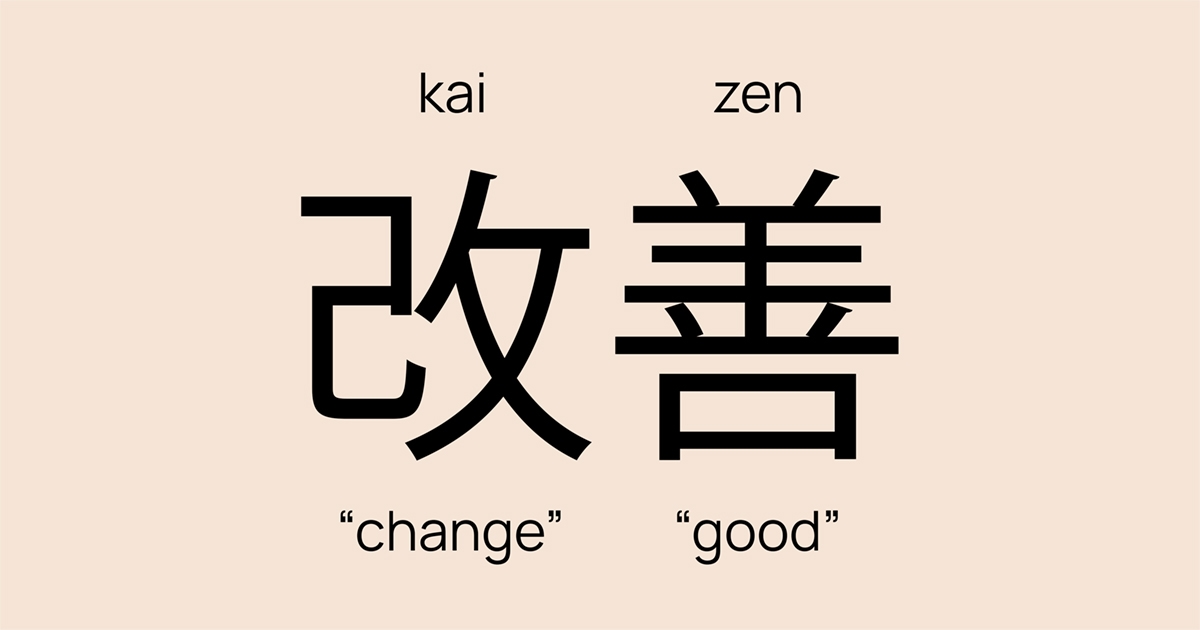
Personal growth can feel more approachable when it begins with one manageable change. Rather than waiting for the perfect moment or trying to transform everything at once, you focus on the next useful adjustment. This idea sits at the heart of Kaizen, a Japanese approach to continuous improvement, and Tony Robbins’ concept of Constant and Never-Ending Improvement, often shortened to CANI.
Neither idea needs to mean constantly pushing yourself. Some days, improvement may involve taking action. On others, it might mean reflecting, resting, asking for help, or simply maintaining a habit you have already built. At its most helpful, continuous improvement is guided by curiosity and patience rather than self-criticism.
How Kaizen and CANI Approach Growth
Kaizen has become closely associated with Japanese manufacturing and lean management. The US-based Lean Enterprise Institute’s overview of Kaizen and the PDCA cycle explains how small, incremental improvements can be tested, reviewed and refined, with people throughout an organisation contributing to the process.
Tony Robbins later popularised a related personal-development approach called Constant and Never-Ending Improvement. CANI applies the general idea of regular refinement to areas such as health, relationships, work and mindset. Although Kaizen and CANI come from different contexts, they encourage a similar question: “What is one practical adjustment that could make this a little better?”
What Continuous Improvement Looks Like
A thoughtful approach to continuous improvement usually includes several principles:
- Manageable progress: A modest action is often easier to begin, repeat and adapt than a demanding plan.
- Reflection and feedback: Looking at what helped, what didn’t and what you learnt can guide your next step.
- Personal agency: Improvement becomes more meaningful when you choose changes that reflect your own needs and values.
- Learning from setbacks: An unwanted result can offer information without becoming a judgement about your ability or worth.
This philosophy shifts attention away from flawless performance and towards thoughtful experimentation. It isn’t a formula that guarantees a particular outcome. Health, responsibilities, available resources and wider circumstances can all affect what is possible. The aim is to work constructively with your life as it is, not blame yourself when progress is uneven.
Bringing Continuous Improvement Into Everyday Life
1. Choose One Small Change
Start with one area that matters to you, such as your morning routine, communication, physical health or use of time. Choose an action that feels realistic within your current circumstances. Australia’s Healthdirect recommends starting with small, realistic and achievable habit goals rather than attempting to change everything at once.
You might stretch for five minutes after breakfast, put your phone away during dinner, or spend ten minutes preparing for the following day. A small action isn’t insignificant if it helps you begin.
2. Make Your Progress Visible
A brief daily or weekly reflection can help you notice changes that might otherwise be missed. Consider asking:
- What did I learn?
- What did I improve or handle differently?
- What did I enjoy or appreciate?
You don’t need an impressive answer to every question. A short note can be enough to reveal patterns, recognise effort and identify what you would like to adjust next.
3. Repeat the Action in a Clear Context
Linking an action to a familiar part of your day can make it easier to remember. You could stretch after brushing your teeth, write a short reflection before closing your laptop, or prepare tomorrow’s lunch after dinner.
UCL research on how habits form explains that repeating a behaviour in a consistent situation helps create an association between the setting and the action. The researchers also found that missing one opportunity didn’t significantly disrupt habit formation, although broader consistency still mattered. One missed day doesn’t need to become a reason to abandon your effort.
4. Use the Idea at Work and Home
The most useful adjustment isn’t always the most ambitious one. It is the one that makes daily life work a little better without creating more strain than it removes.
- At work: Look for a small way to simplify a recurring task, clarify communication or reduce unnecessary effort. Test the change and see whether it genuinely helps.
- At home: Improve a routine gradually, organise one small area, prepare meals with less pressure, or practise a skill in manageable sessions.
5. Learn from Setbacks Without Turning on Yourself
A setback may show that a goal was too demanding, the timing wasn’t right, or your approach needs to change. It doesn’t automatically mean you lack discipline or ability. Learning to turn setbacks into stepping stones for growth involves separating useful information from harsh personal judgement.
Ask what the experience revealed and what support or adjustment might help. This keeps reflection practical while leaving room for disappointment, frustration and other honest emotions.
Keeping Improvement Practical
- Define the next action: Make it clear enough that you know when and how to begin.
- Use an existing cue: Connect the action to a routine that already happens regularly.
- Review without overanalysing: A quick weekly check may be more useful than constantly measuring yourself.
- Acknowledge signs of progress: Notice effort, learning and better choices, not only major outcomes.
- Invite helpful feedback: Learning to embrace constructive criticism can reveal opportunities you may not see alone.
- Allow room for maintenance: Growth doesn’t always require adding more. Protecting something that already supports you can also be worthwhile.
A More Patient Way to Grow
Embracing Constant and Never-Ending Improvement through Kaizen doesn’t require relentless productivity or endless self-correction. It offers a gentler framework: choose something meaningful, try a manageable action, notice what happens and adjust when needed.
Some changes will fit easily, while others will need patience, support or a different approach. Your worth isn’t measured by how much you improve. Personal growth is healthiest when it helps you live with greater intention and care, rather than becoming another standard you feel pressured to meet.
First published: 9 March 2025
Last updated: 18 July 2026


