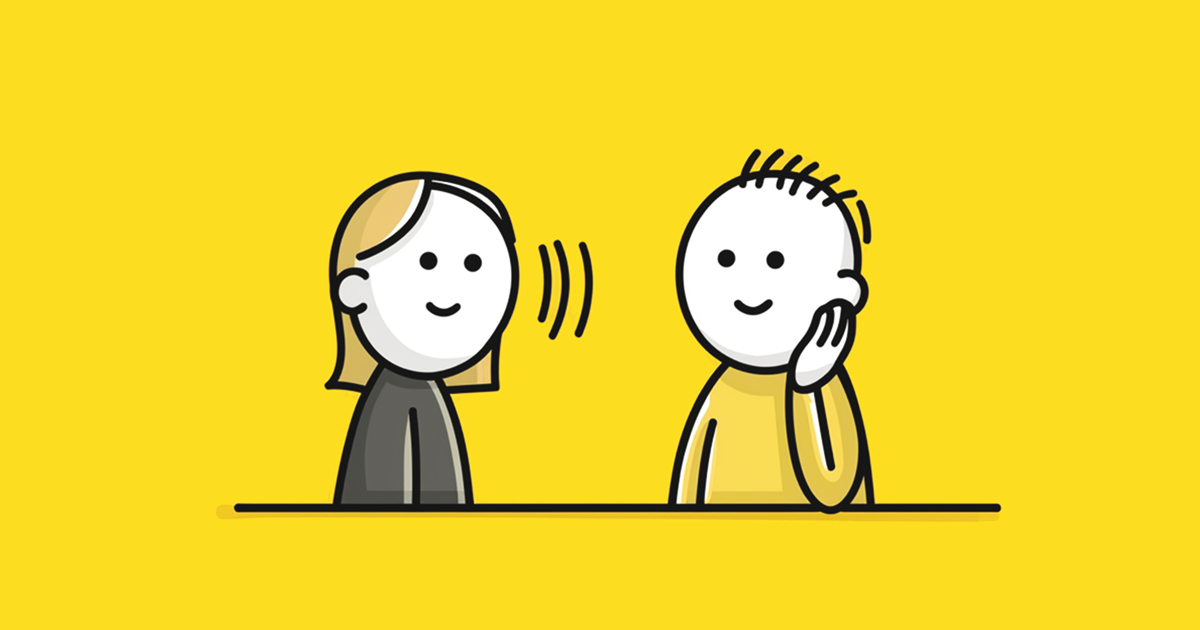
Most people want to feel understood. It’s one of the foundations of relationships that feel safe, stable and close. Real listening can be surprisingly rare, though. In everyday conversations, it’s easy to half-listen while thinking about what to say next, rushing in with advice, or assuming we already know what the other person means.
When someone you care about feels genuinely heard, something important shifts. Defensiveness tends to soften. Trust has more room to grow. Conversations become less about winning a point and more about understanding each other. Listening well isn’t passive. It’s one of the most generous and useful things you can bring to a relationship.
Why Good Listening Matters More than People Realise
Being heard can calm tension before it turns into a bigger problem. It can also help someone feel less alone, even when nothing about their situation changes straight away. In close relationships, that matters a lot. People are usually not looking for a perfect response. They want to know their thoughts and feelings can land somewhere safe.
Good listening also makes day-to-day connection stronger. It helps you notice what matters to the other person, what they are worried about, and what they may be struggling to say directly. As that understanding deepens, it becomes easier to respond with care rather than out of habit.
Hearing Is Automatic, Listening Is a Choice
Hearing happens without much effort. Listening is different. It asks you to be present enough to take in not just the words, but the meaning, emotion and intention behind them. That means paying attention to tone, pauses, facial expressions and what may be sitting underneath the surface.
A friend saying, “It’s fine”, might not actually be fine. A partner talking at length about work may really be telling you they feel overlooked or exhausted. A family member repeating the same complaint might be asking for reassurance, clarity or support. Real listening helps you catch what’s being said, and what’s being asked for emotionally.
What Gets in the Way
One common barrier is the urge to fix. It often comes from a good place. You care, so you want to solve the problem. Still, jumping too quickly into solutions can make people feel brushed past. They may feel as though their emotions are being managed rather than understood.
Another barrier is distraction. Phones, notifications, mental to-do lists and tiredness all chip away at attention. Then there’s assumption. In long-term relationships especially, people can start filling in the gaps too quickly. You hear the first few words and decide you already know the rest. That habit can leave the other person feeling invisible, even in a close bond.
What Real Listening Looks Like
Listening well usually looks simple from the outside. You pause what you are doing. You give the person your attention. You let them finish. You stay curious instead of preparing your defence. Small moments like these can completely change the quality of a conversation.
It also helps to reflect back what you’re hearing. That might sound like, “It sounds like you felt dismissed in that meeting”, or “You seem really worn down by all of this”. You’re not parroting their words. You’re showing that you are trying to understand their experience. That effort alone can make someone feel more settled and more open.
Ask Better Questions, Not More Questions
Thoughtful questions can deepen connection, but they need the right tone. A rapid-fire interrogation rarely helps. Gentle, open questions tend to work better. “What felt hardest about that?” is often more useful than “Why did you do that?” The first invites reflection. The second can sound like a cross-examination, even when that isn’t your intention.
Follow-up questions also matter. They show that you’re engaged and that you care enough to stay with the conversation. Sometimes the best question is short. “Then what happened?” “How did that sit with you?” “What do you need from me right now?” These invite clarity without taking over.
Listening Without Making It About You
Many people respond to someone’s pain or frustration with their own similar story. Sometimes that can help. Often, though, it shifts attention too quickly. The other person may end up comforting you or watching their moment disappear.
A better approach is to stay with their experience first. Let them finish the thought before bringing in your own. Keep the spotlight where it belongs. Once they feel heard, there’s usually more room for mutual sharing. Timing matters. Restraint matters too.
You Don’t Need the Perfect Response
This is where many people overthink listening. They worry about saying the wrong thing, so they reach for polished advice or something profound. Most of the time, that’s not what’s needed. A steady, honest response often does more good. “That sounds really hard”. “I can see why that upset you”. “Thank you for telling me”.
It’s also fine to ask what kind of support would help. Some people want practical ideas. Others want empathy first. Others just need space to talk without being interrupted. Listening gets stronger when you stop assuming and start checking.
Small Habits That Make a Big Difference
Put the phone down when the conversation matters. Make eye contact without turning it into a performance. Notice when you are interrupting. Slow yourself down when you feel defensive. These aren’t grand gestures, but they build trust over time.
It also helps to circle back later. Asking, “How are you feeling about that now?” tells someone you were paying attention and that their inner world matters to you beyond a single conversation. That kind of follow-through can make a relationship feel warmer, safer and more solid.
It’s One of the Clearest Forms of Care
When you truly listen, you offer more than attention. You offer respect. You show the other person that they don’t have to perform, rush or fight to be understood. That can strengthen closeness in ways advice alone rarely can.
Relationships don’t become healthier only through big talks or dramatic turning points. Often, they improve through quieter skills practised consistently. Listening is one of those skills. When people feel heard, they tend to feel more valued. And when people feel valued, relationships have a far better chance of growing strong.


